
Capturing the Wild: How philosophical thought may influence the art of camera trapping.

In the world of wildlife photography, capturing elusive creatures in their natural habitat is a pursuit that requires patience, dedication, and an unwavering commitment to the process. One method of capturing wildlife images that often leaves many people scratching their heads in wonder is remote camera trapping. This style of photography is a pastime certainly not for the faint-hearted or those seeking easily attainable wildlife photographs.
Remote camera trapping involves setting up a system in your chosen location where the camera, motion sensor, and flash units all work seamlessly to photograph your chosen subject. Usually, the subjects chosen for camera trapping are elusive, rare, or nocturnal, making photographing them very difficult. Additionally, in some parts of the world, camera trapping is the only way to capture wildlife images due to extreme terrain or temperatures.
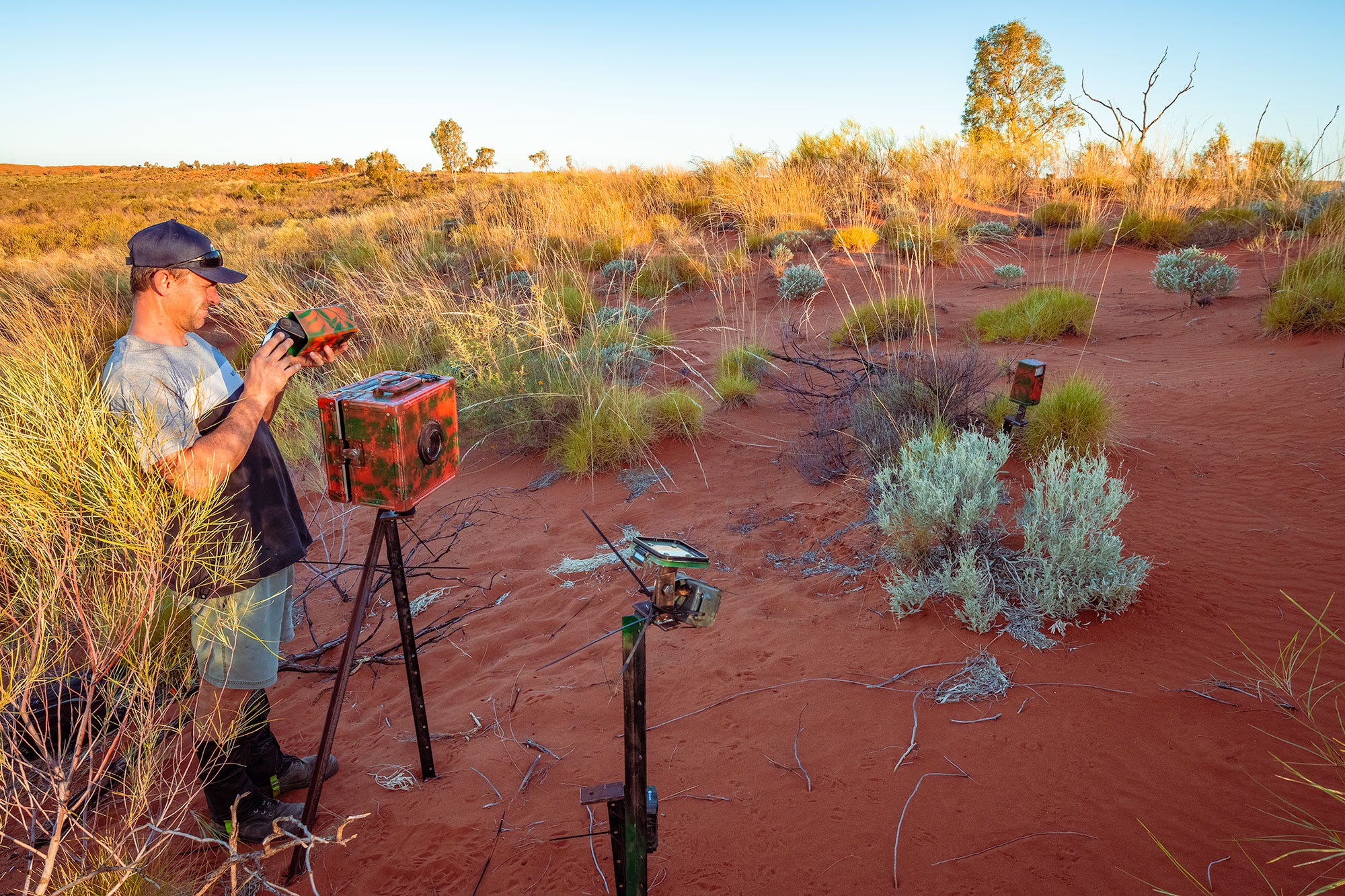
Myself pictured here setting up a remote camera trap in the Great Sandy Desert, Western Australia.
Embracing nature's unpredictability and technological failures.
Wildlife photographers often face numerous challenges, from unpredictable weather to wildlife being just that—wild. Instead of becoming frustrated when things don't go as planned, consider embracing the unpredictability of nature and modern technology. Accept that nature operates on its own schedule and that the many pieces of electronics needed for camera trapping will often fail for unknown reasons.
“Some things are in our control and others not” - Epictetus
Epictetus, a Stoic philosopher from ancient Roman times, gives us just the advice we need when engaging in the art of camera trapping. You can try to control your gear and approach, but you will never have control over your subject, environment, or temperamental equipment. Accepting this reality will help you stay calm and collected in the face of uncertainties, allowing you to enjoy the process more.
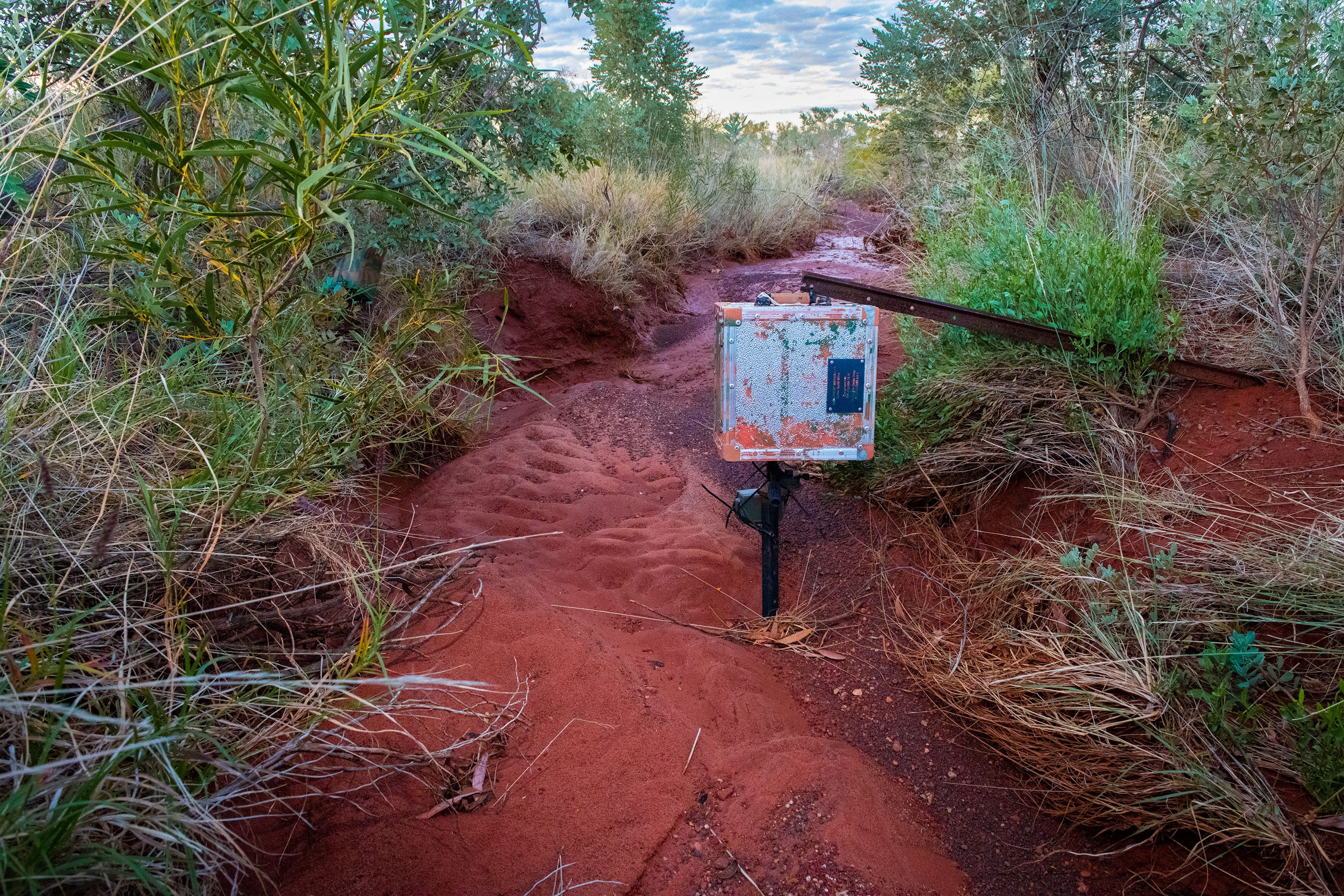
Pictured here is a camera trap that I set up in a dry creek bed. Unseasonal rains flooded the creek almost ruining my gear.
Ethical considerations.
The non-intrusive nature of camera traps allows for the capture of images of wildlife without direct human interference, helping us align with the ethical principle of no harm or interference. This principle is fundamental in wildlife research and photography, ensuring that the pursuit of capturing wildlife photographs does not come at the expense of the well-being of the subjects.
One aspect of camera trapping that cannot be ignored is the use of flash units on wildlife. Ethically, it may seem counterintuitive to what would be seen as not harming the subject being photographed. As discussed here, a very short pulse of light from flash units may have an immediate, although short-term effect on your subject. Using low-powered flash units with diffusers attached and high ISO camera settings will greatly reduce the impact of flash photography on wildlife. Using flash units to capture higher quality images may outweigh any negative effects, ultimately benefiting wildlife through increased exposure.
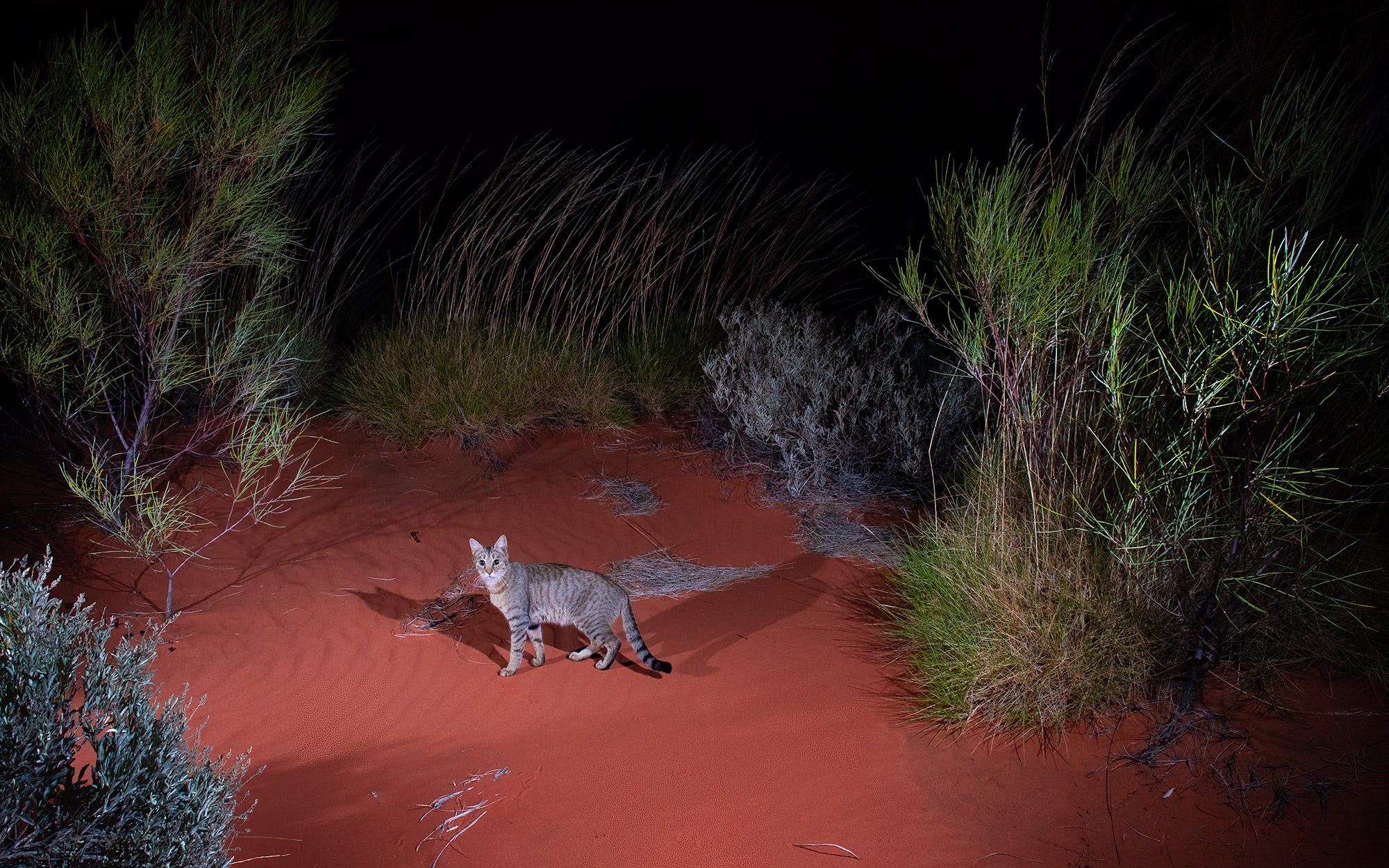
Unfortunately, feral cats were often picked up by the camera traps in the Great Sandy Desert, home to the endangered and native Bilby. Feral cats in the Australian landscape have a devastating effect on native animals.
Supporting conservation.
It is hard to ignore the fact that the most rare and elusive species of wildlife are those in the most trouble and need our help. Camera trapping is the tool best suited for the job of photographing hard-to-find or nocturnal critters. If used correctly, camera traps can provide high-quality images of rarely seen wildlife that could be used by researchers and photographers to evoke emotional responses from the public, fostering a connection with nature that motivates conservation action.
As nature photographers, looking for opportunities to use our images and voices to promote the conservation of threatened species of wildlife and habitats is not just a responsibility but a privilege. By sharing these images, nature photographers become advocates for the voiceless. They leverage the power of visual storytelling to raise awareness, inspire conservation efforts, and support the work of scientists and conservationists.
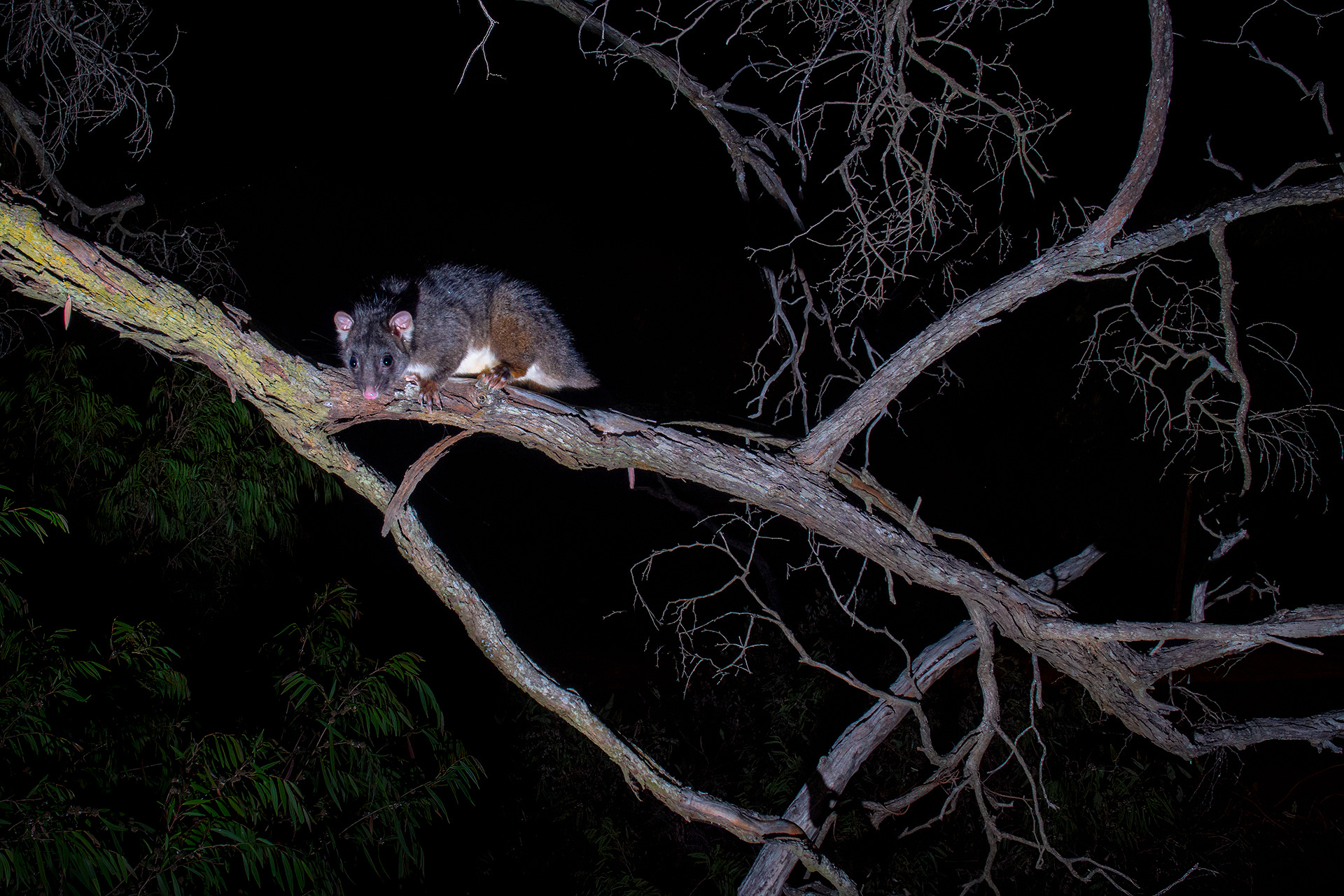
A critically endangered Western Ringtail Possum captured via a camera trap placed high in the canopy of a tree.
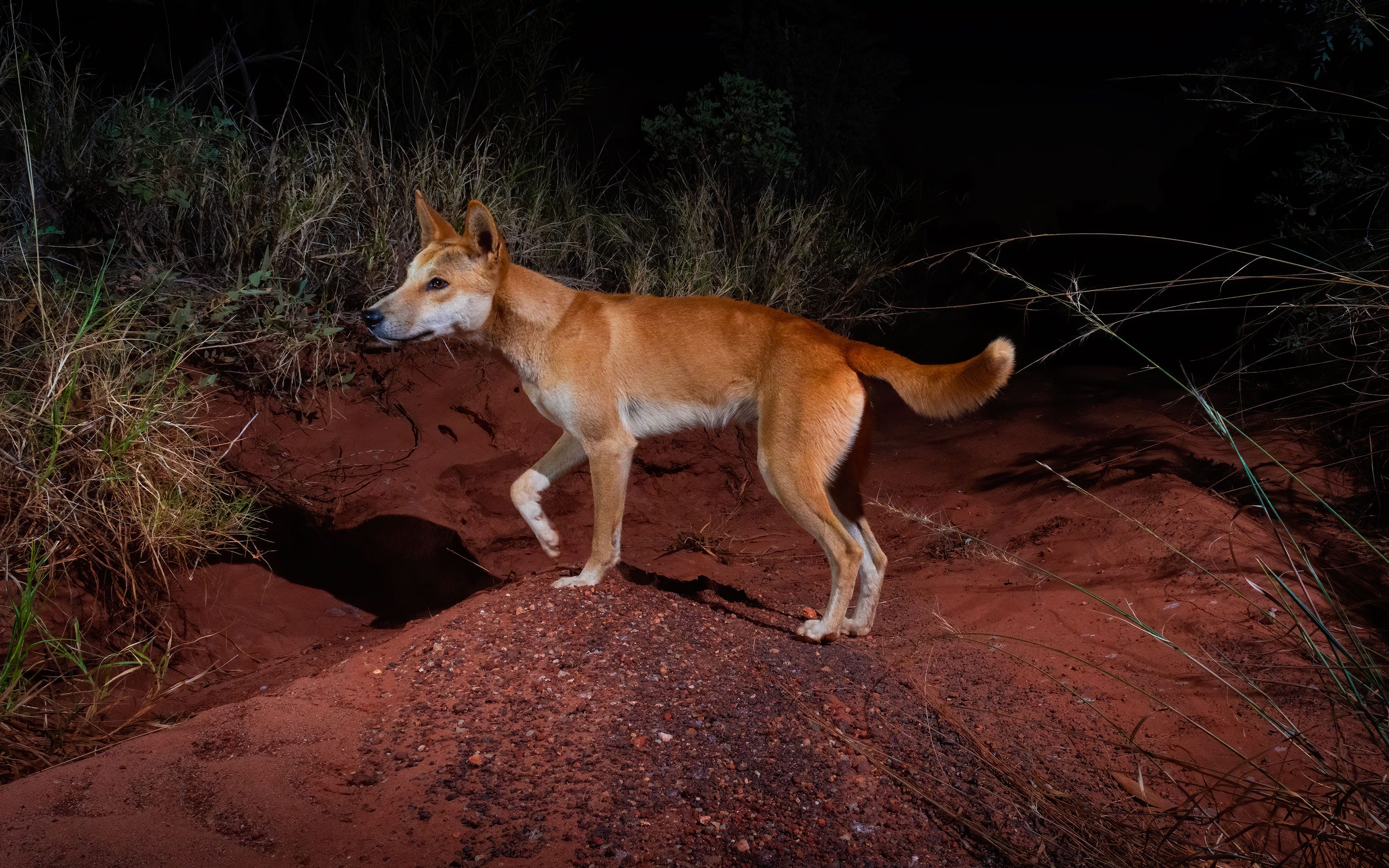
A wild dingo captured by camera trap in a dry creek bed within the Great Sandy Desert, Western Australia.
The intention of camera trapping.
Using philosophical thought when it comes to camera trapping includes considering the intentionality of the practice. Reflection on the reason for beginning the process of this style of photography can lead to questions about the object and impact of your work. Are you simply aiming to document hard-to-photograph wildlife as a personal challenge, or is there a greater goal to contribute to conservation efforts or to call into question the public's perception of the status of a particular species of animal? By asking themselves these questions, photographers can ensure their work serves a meaningful purpose.
Final thoughts
By embracing philosophical thought, we not only refine our techniques in capturing wildlife, but we also look within ourselves and find the reasons for pursuing such an activity. Camera trapping isn't just about capturing moments in the wild; it's about fostering a deeper connection with nature, contributing to vital conservation efforts, and using your mind to bring together a multitude of variables to create something special.
If this style of photography interests you, Camtraptions is a one stop shop for everything needed to get started. Be warned though, camera trapping will be a roller coaster of a ride with the ups and downs making you wish you never stepped on board, yet the exhilarating highs will keep you coming back for more.
Cheers
Gaz
Thanks for reading! Do you have a friend or family member who might find what I am writing about interesting? Hit the share button and forward this article, I would be very grateful!
I like this idea a lot. You control everything from setting up the gear, choosing a good location, time of year, weather conditions, etc, all to the best of your ability. But, there comes a point at which you have to leave it, relinquish control, and let the universe play out as it will! Nice work!